
Kevin Murphy, Deputy Senior Project Manager, Ossian
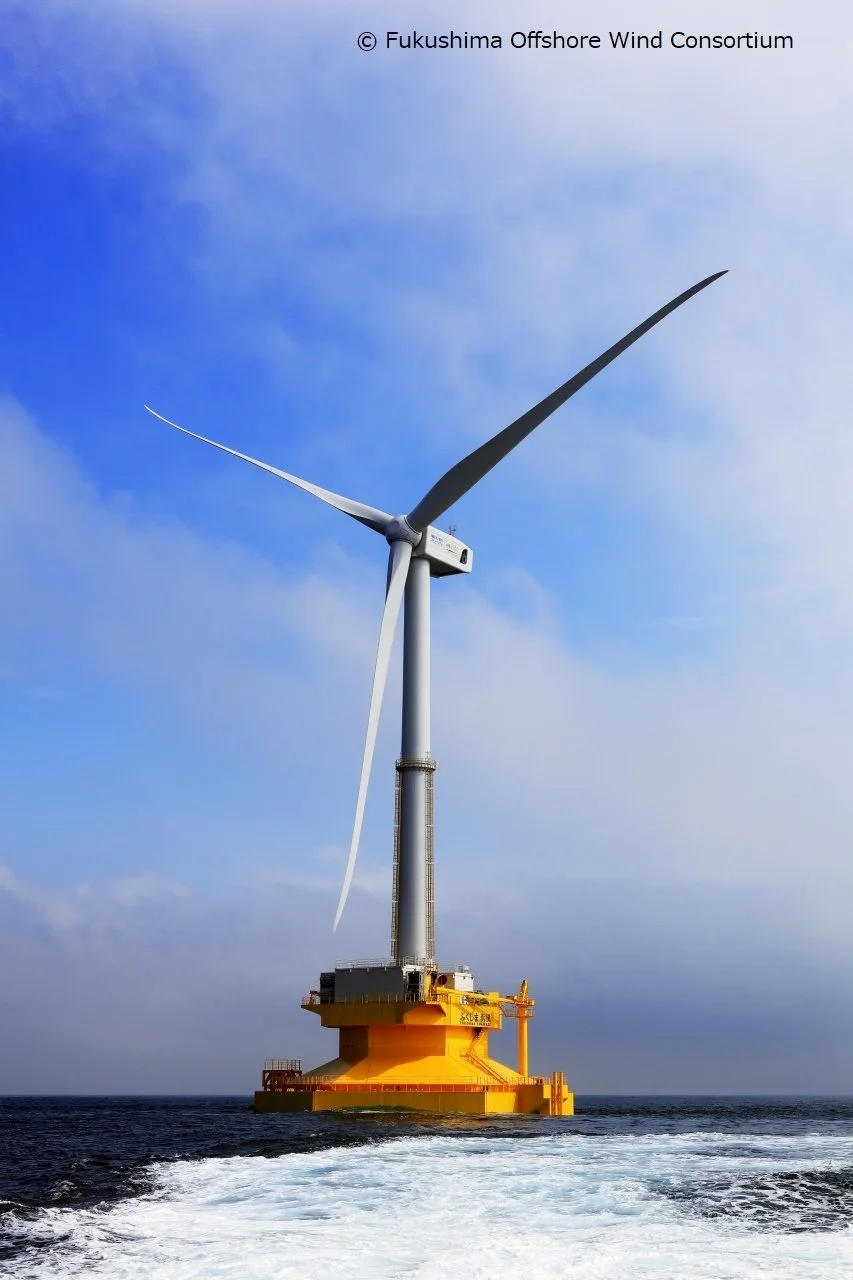
The future of the UK’s energy mix continues to be the subject of intense debate and speculation. Geopolitical and economic pressures have upped the ante, and the world is a very different place from 2022 when the results of the ScotWind leasing round were revealed and the successful offshore wind developers were awarded seabed leases.
Fast forward four years to this year’s Floating Offshore Wind conference in Aberdeen, and the optimism of earlier editions has undoubtably been dented. Familiar issues, such as consenting and grid delays, may feel like yesterday’s problems but still continue to affect projects across the industry. So where do we go from here?
During his keynote speech at Floating Offshore Wind, the first minister John Swinney recognised the importance of the sector, saying it is central to Scotland’s energy and economic future. Despite this endorsement, there remains some scepticism. In an environment where the cost of energy and affordability is rightly a key focus of government, questions are being asked about the cost of floating offshore wind.
Floating technology is still a new frontier in renewable energy generation, and like any pioneering technology, that is reflected in costs in the here and now. However, in order to have an informed debate about the costs and benefits of the sector, we must step back and consider the bigger picture and the proper historical context.
Fixed bottom offshore wind has become a key contributor to the UK’s energy mix as a technology that can be delivered at scale and can help to decouple volatile gas prices from wholesale electricity prices. Indeed, the fact that offshore wind is cheaper than new build gas power stations was a key driver in the UK Government awarding a record amount of offshore wind in this year’s CfD auction.
The relative cost of floating and fixed offshore wind in 2026 is often the starting point for discussion on the cost of floating wind. Adjusted for inflation, however, the most recent floating strike prices are roughly commensurate with fixed-bottom wind farms in 2014, when CfDs were first introduced. It would be premature to write the sector off when it is on the cusp of commercialisation, where cost reduction is most likely to be realised.
A recent industry study examined where costs can most readily be reduced. The biggest single cost saving identified was achieving a lower cost of capital. The research suggested that a saving of approximately 20% could be achieved if financing costs reached levels comparable with mature technologies.
However, we must be realistic that this level of cost reduction will not happen overnight, or from one CfD round to the next. Capital gets cheaper when projects deliver, when technology is proven to be deployable at scale and early technical issues can be ironed out, which brings insurance costs down too.
The fixed bottom experience demonstrates this theory rings true. The sector experienced substantial cost reductions through a combination of technology improvements, competition, manufacturing investment and favourable financing conditions. Floating offshore wind can reach that turning point too.
We therefore need the courage of our convictions to support the sector at this crucial time and ensure a credible pipeline can be delivered because the opportunity to be seized is far wider than simply cheaper electricity.
The Prime Minister has said he wants to see the country reindustrialised. Scotland’s workforce and port infrastructure provide a strong foundation for a transition to floating wind that has the potential to form a key pillar in securing both new manufacturing jobs and also supporting key engineering sectors in the North East of Scotland and England into the future. However, the opportunity to establish Scotland and the UK as a global leader, secure jobs and manufacturing investment is time sensitive.
Investor confidence depends on policy. The Strategic Spatial Energy Plan (SSEP), due next year, has drawn growing speculation in recent months. The plan will set out how the UK’s future energy infrastructure fits together and how it will accommodate different energy sources. It must give a clear signal of government support for floating wind and, once delivered the focus for all stakeholders in the sector must change from planning to delivery.
The sector is at a critical point. The coming months could provide the momentum it needs to seize a once-in-a-lifetime opportunity: to transform the nation’s energy supply and secure it for generations to come.